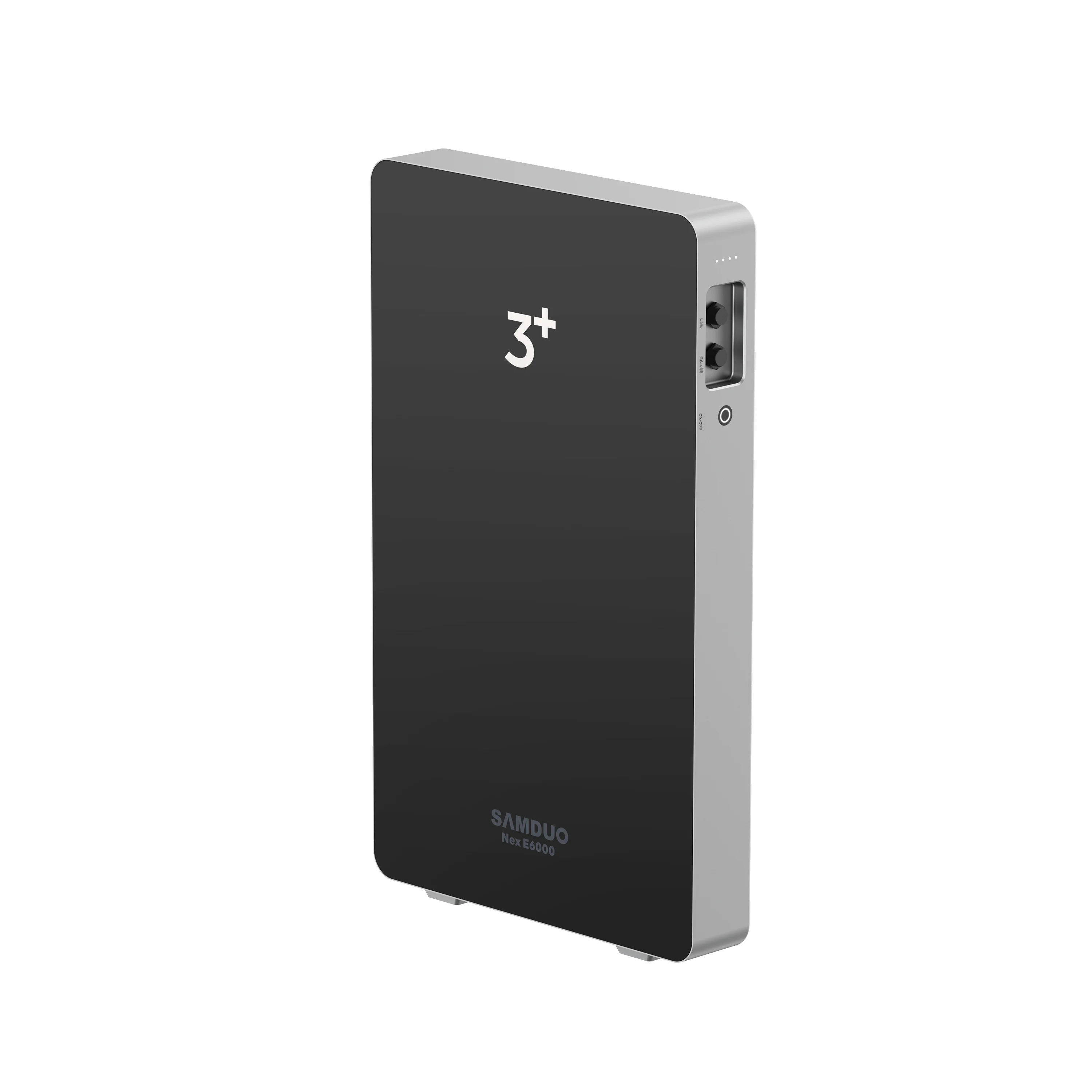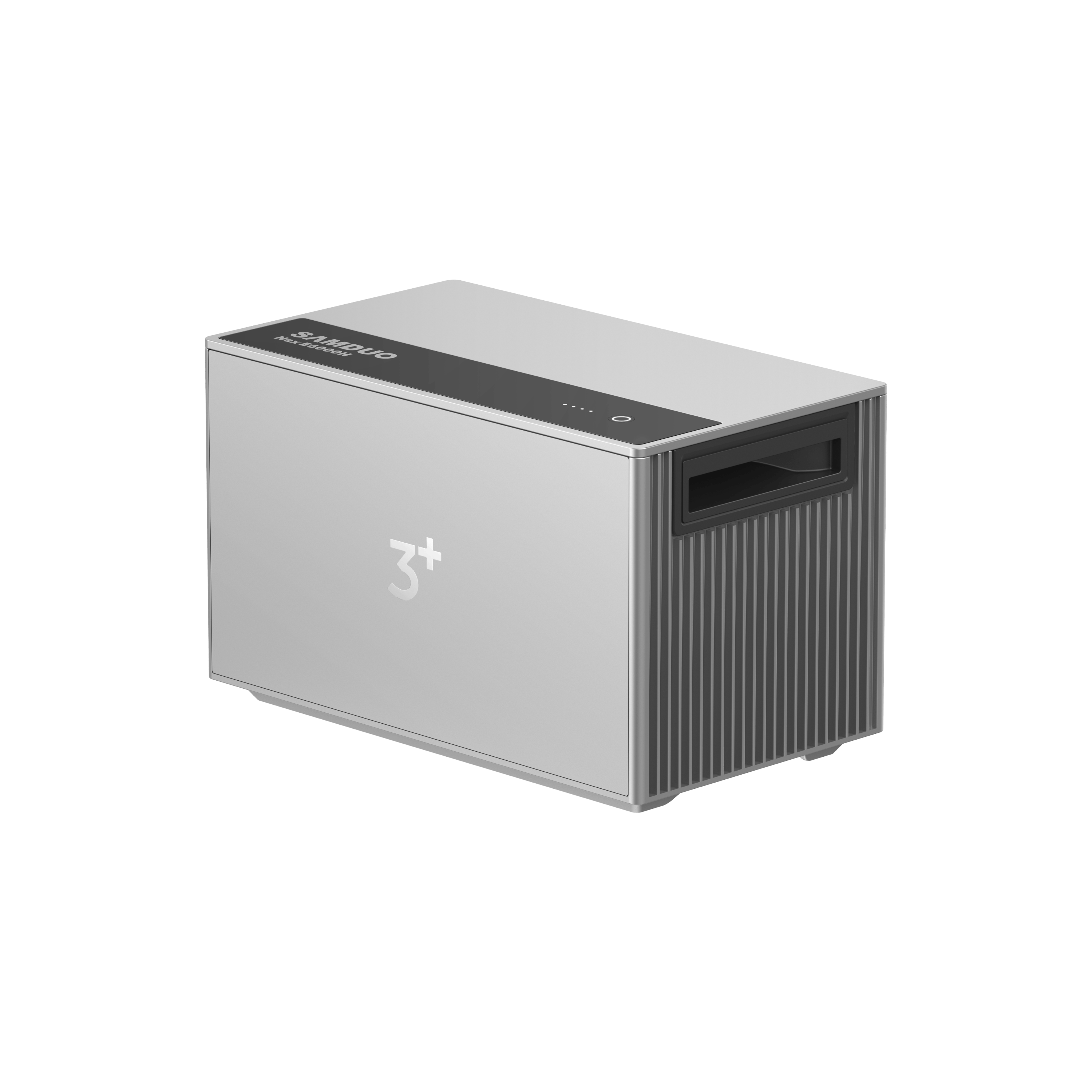
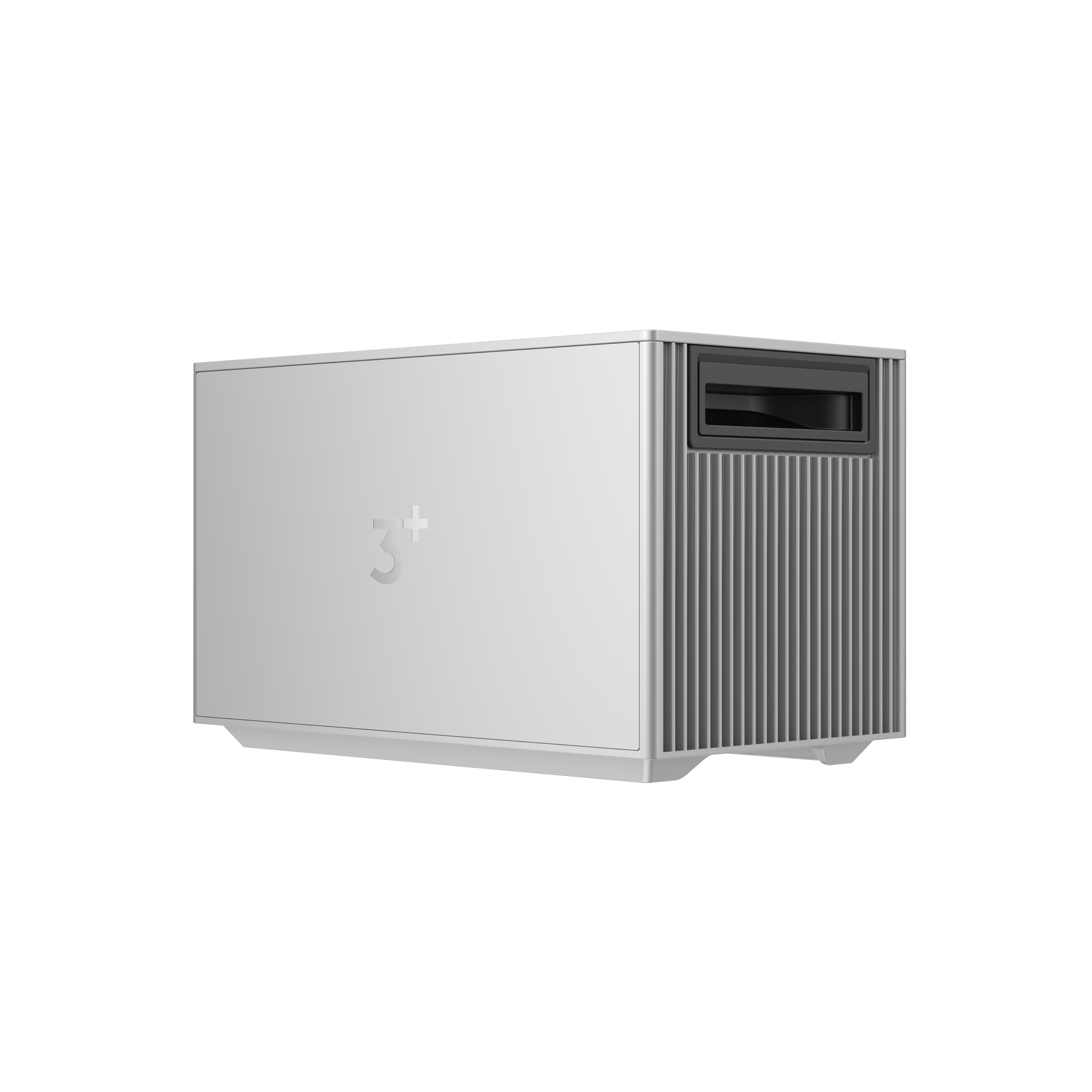
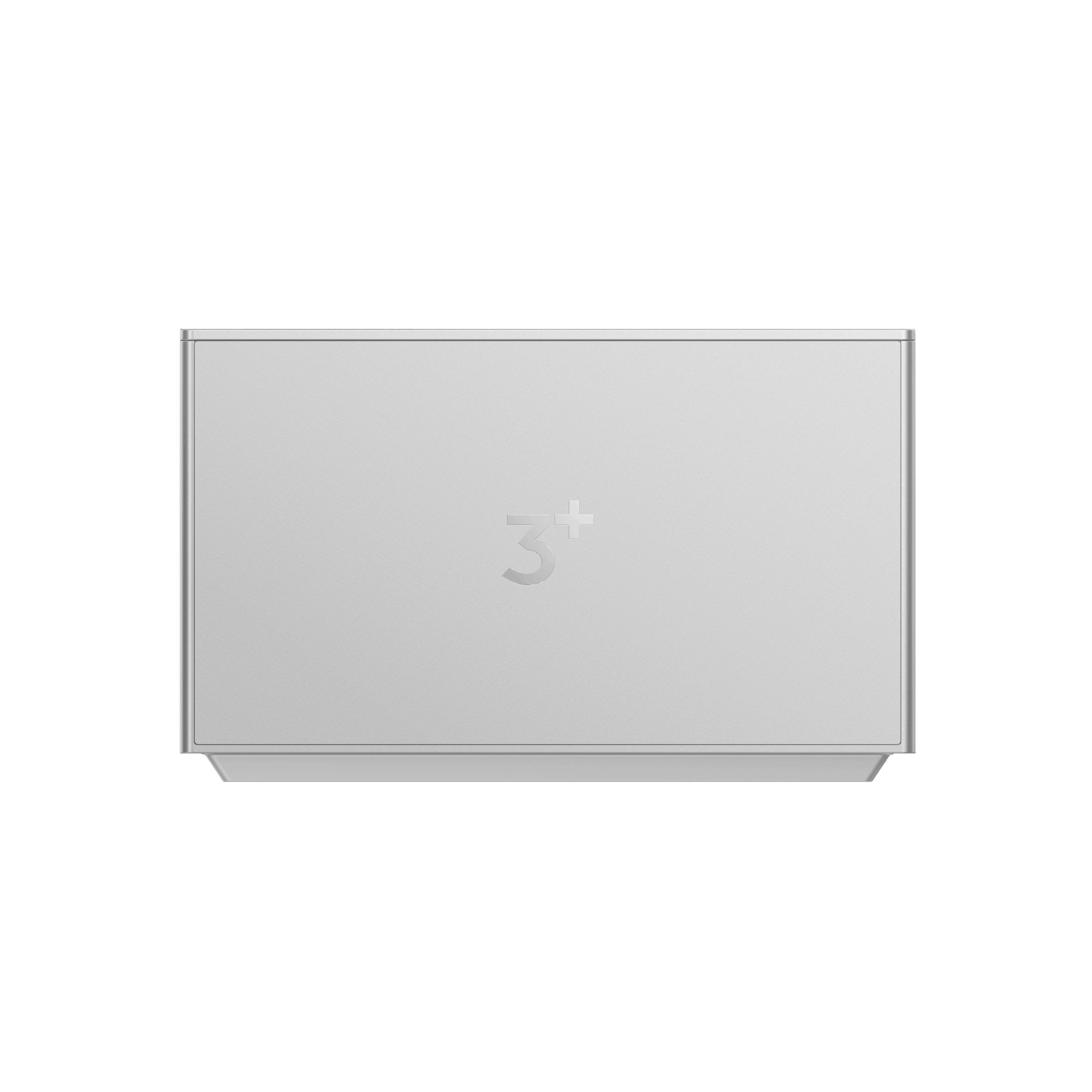
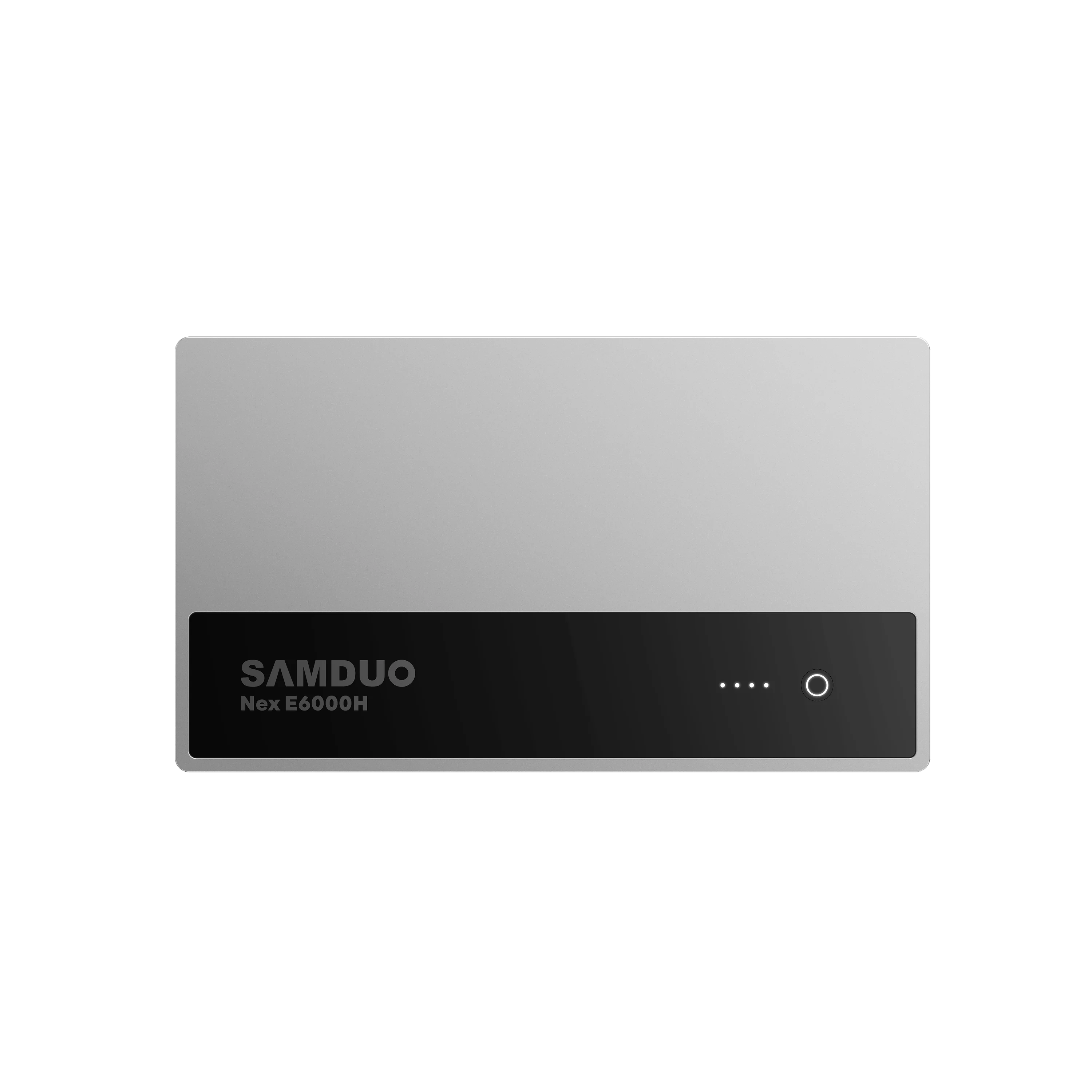
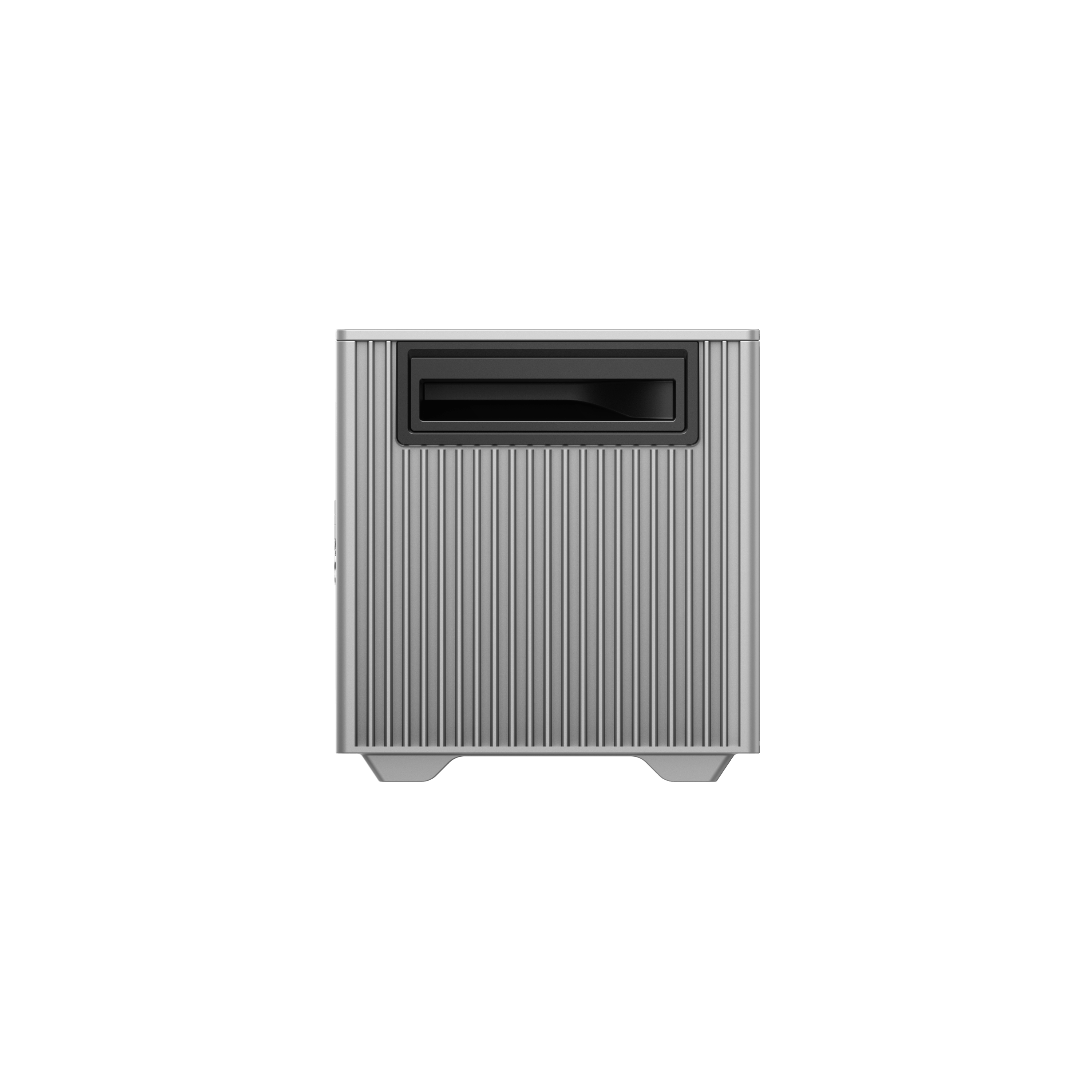
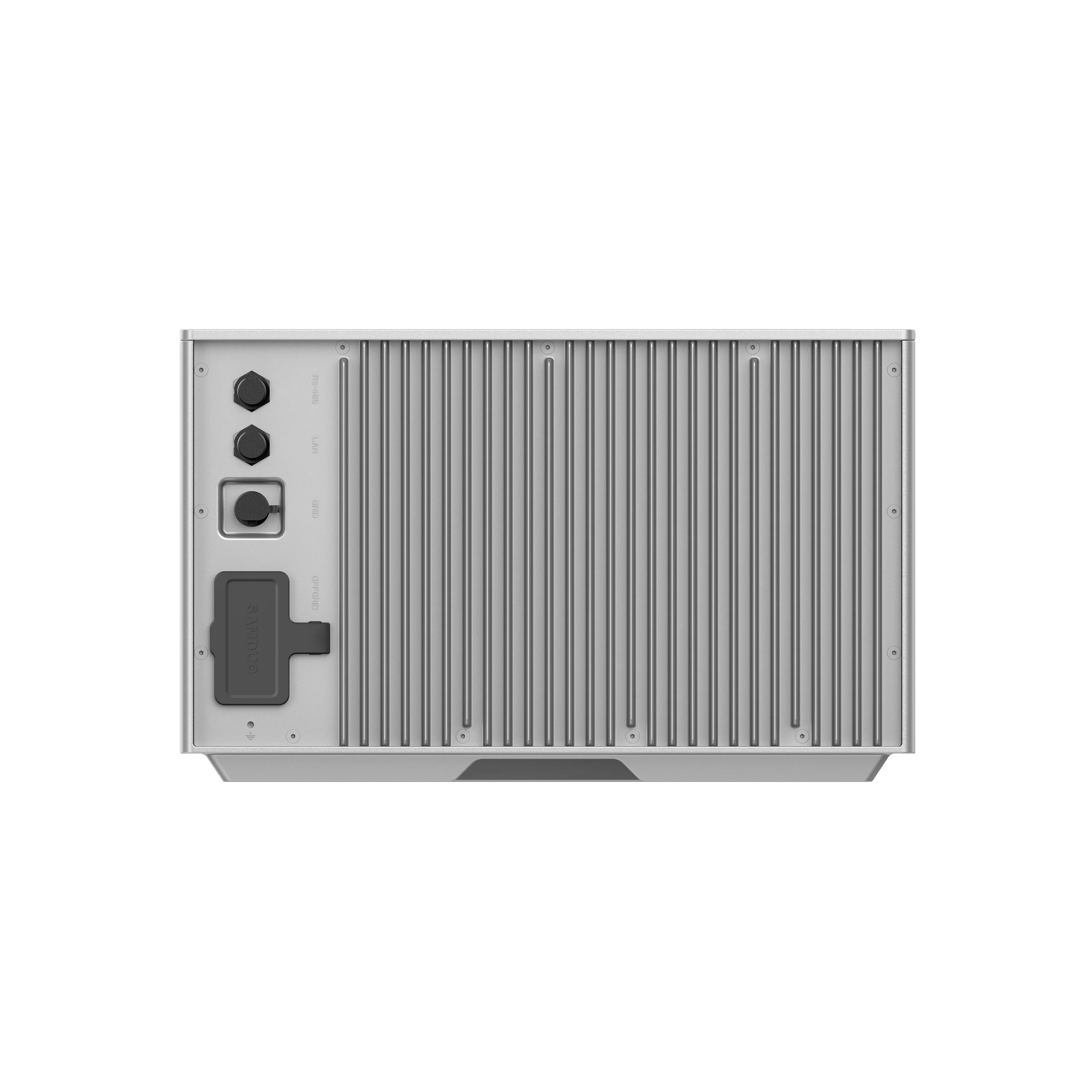
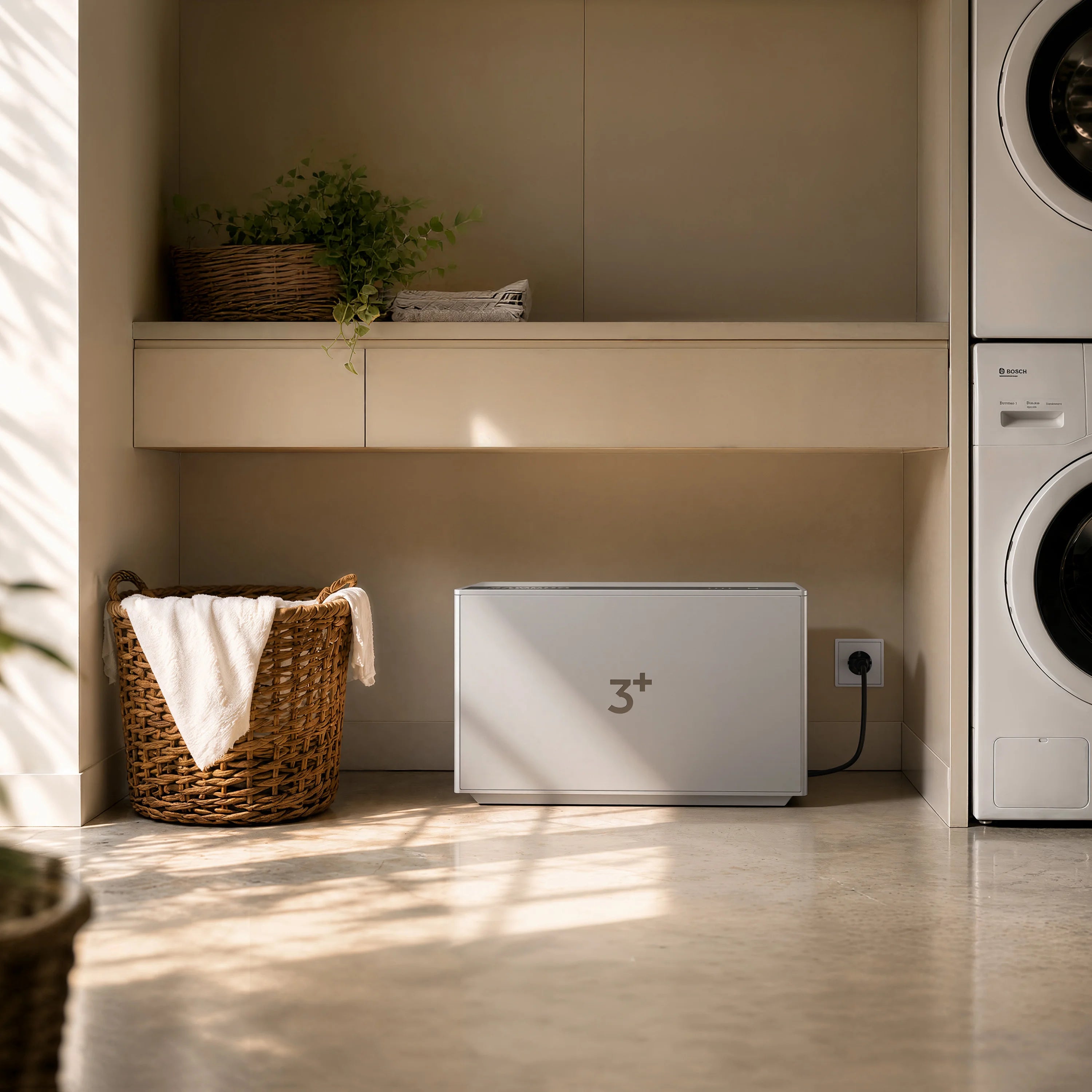
SAMDUO Nex E6000H
- Expand Your Storage from 6–90 kWh
- 2600W Bidirectional AC Power
- Plug & Play 800W On-grid Output
- 100% Compatible with Existing PV System
- 10,000 Cycles, 15-Year Lifespan, 10-Year Warranty
Frequently Bought Together
Services & Benefits
10-Year Warranty
Privacy by Design
Real-Time Local Support
3-7 Day Delivery
30-Day Money-Back Guarantee
SAMDUO Nex E6000H


Get 100% from
Your Solar Energy
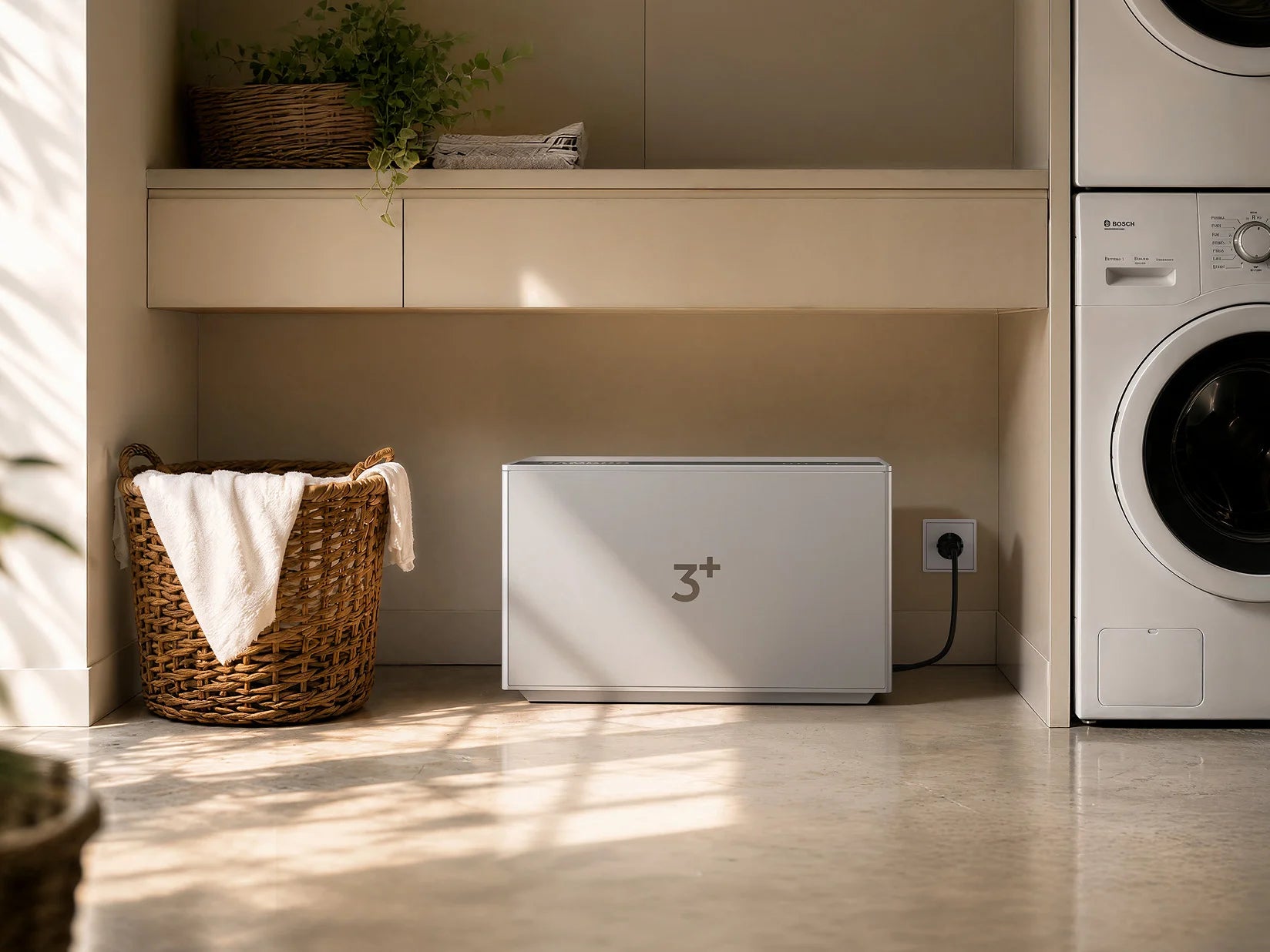

Net Metering Ends in 2027
Many households send surplus solar to the grid, but after 2027, that won't be same. With only 4.5 hours of peak sunlight, relying on the grid means wasting energy you generated.


Plug-and-Play.
No Electrician Required.


Plug-and-Play. Zero Installation Fees.
Simply plug in, power up, and start using your solar energy right away. Hassle-free for everyday Dutch life.

2600W Pure Output.
Expandable Capacity.
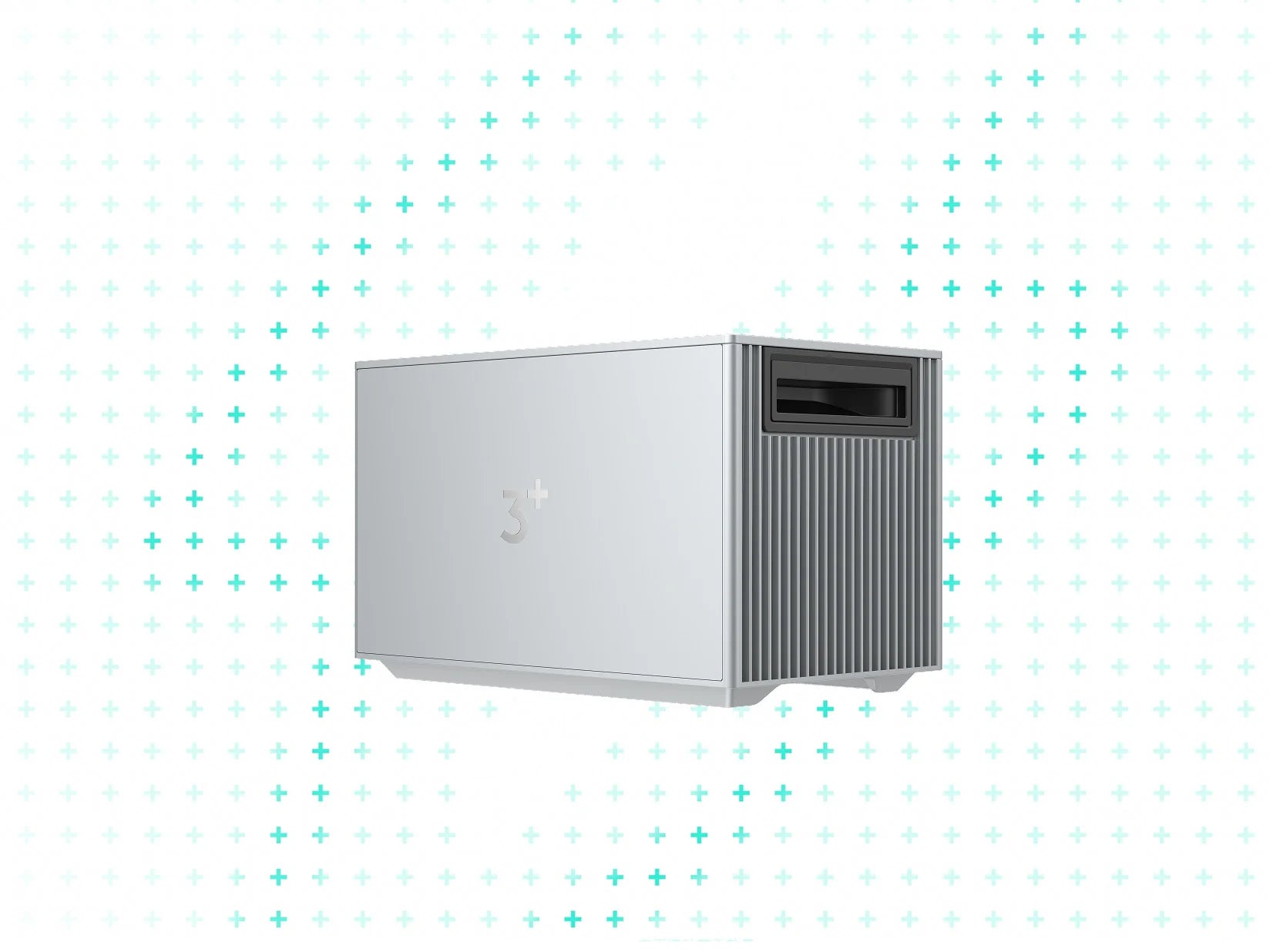

2600W Support:
From Morning Coffee to Evening Laundry
Keep your essential appliances running smoothly. Use stored solar energy when electricity is expensive, having every watt worked for you.

Intelligent Control.
Unified Power.
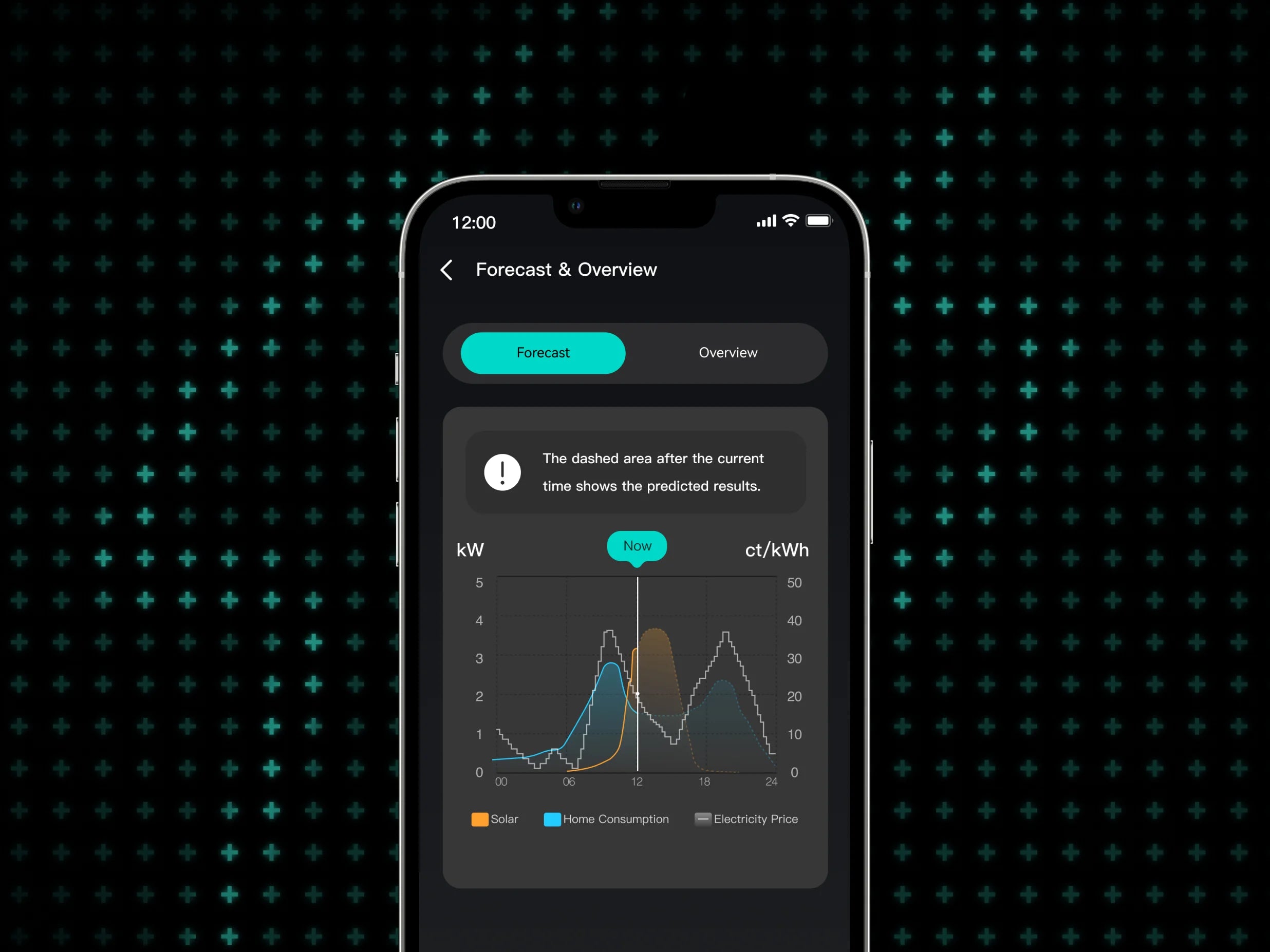

SAMDUO Intelligence: Smart Energy Assistant
An AI-driven architecture that synthesizes dynamic grid pricing, local meteorological forecasts, and household Time-of-Use (TOU) patterns to orchestrate a 24-hour energy roadmap. Maximize your savings by navigating the Dutch dynamic market with a professional-grade strategy.


Seamless Compatibility.
Open API.
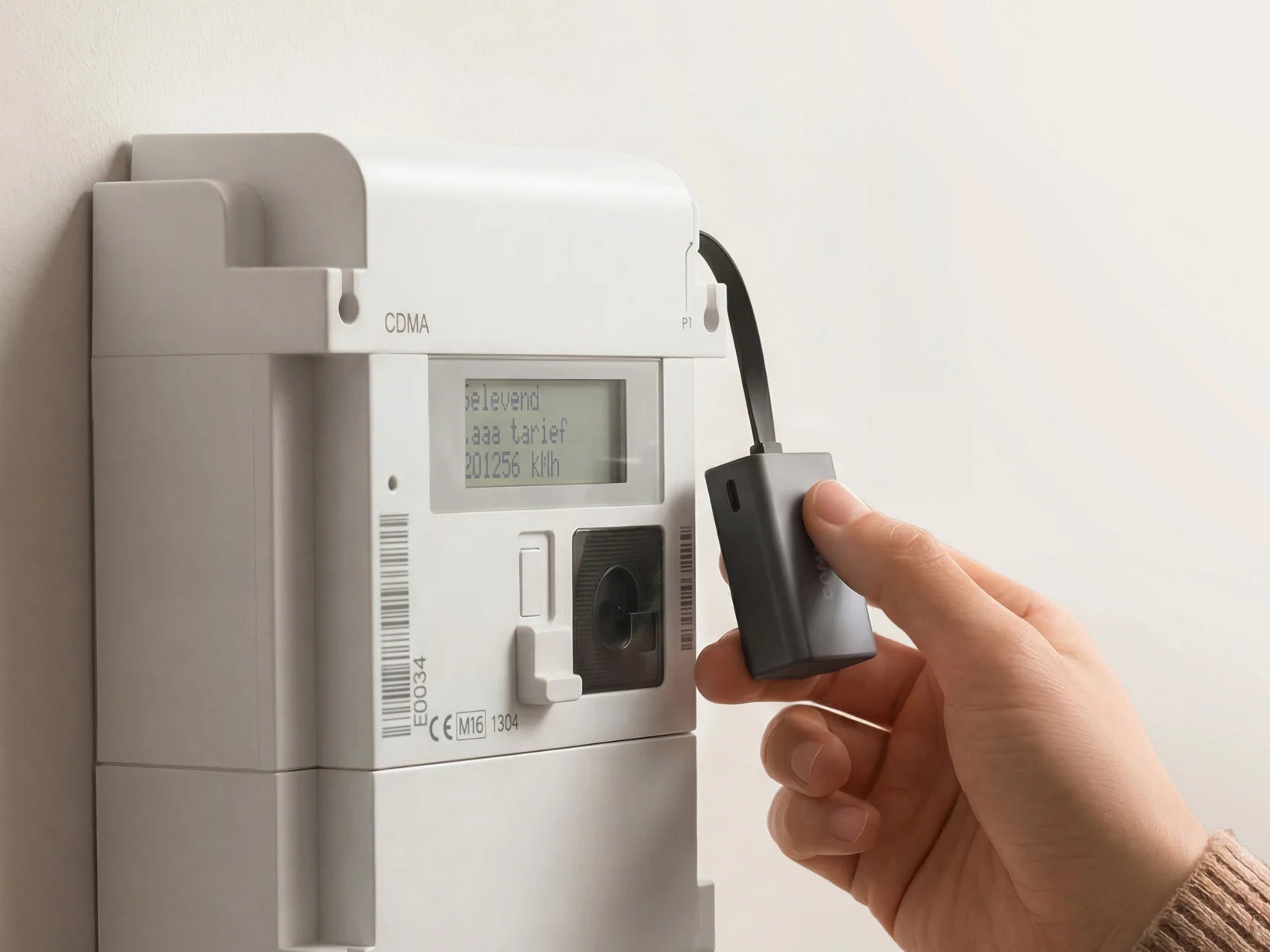

800+ Providers Supported
Whether you're on a dynamic tariff or a traditional fixed rate, the Nex E6000H integrates instantly. Keep your current energy supplier and PV systems. Seamless compatibility, right out of the box.


What's in the Box

SAMDUO Nex E6000H

AC Cable with Schuko Plug( 1.5m )

Quick Start Guide

Safety Info

Warranty Card
Product Specifications
FAQs
Q: Heb ik zonnepanelen nodig om met de Nex E6000H te starten?
Nee. De Nex E6000H kan ook zonder zonnepanelen worden gebruikt en kan rechtstreeks via het elektriciteitsnet worden opgeladen.Wanneer het systeem wordt gecombineerd met zonnepanelen, slaat het overtollige zonne-energie op voor later gebruik. Dit verhoogt het eigen verbruik van zonne-energie en vermindert de afhankelijkheid van netstroom.Daarnaast kan de Nex E6000H elektriciteit opslaan tijdens periodes met lagere stroomprijzen en deze gebruiken wanneer de tarieven hoger zijn.
Q: Waarom is het netgekoppelde uitgangsvermogen van de Nex E6000H beperkt tot 800 W?
Om te voldoen aan de regelgeving die in bepaalde landen en regio's van toepassing is, is de Nex E6000H standaard ingesteld met een maximaal netgekoppeld uitgangsvermogen van 800 W.Bij normaal gebruik gelden de volgende limieten:
- Netgekoppelde modus: standaard maximaal 800 W uitgangsvermogen
- Off-grid modus: maximaal 2600 W uitgangsvermogen
Waar lokale regelgeving dit toestaat, kan de limiet voor het netgekoppelde uitgangsvermogen worden ingesteld tot maximaal 2600 W.Controleer altijd of eventuele aanpassingen voldoen aan de geldende lokale wet- en regelgeving en netaansluitingsvereisten.
Q: Welke voordelen biedt PowerMesh™ voor huiseigenaren?
PowerMesh™ biedt huiseigenaren de flexibiliteit om hun energieopslagsysteem in de toekomst eenvoudig uit te breiden.Door meerdere compatibele systemen (zoals de SAMDUO E6000 en de SAMDUO P2800 Pro) met elkaar te verbinden, kunt u:
- meer noodstroomcapaciteit beschikbaar maken;
- de gebruiksduur tijdens stroomuitval verlengen;
- inspelen op groeiende energiebehoeften binnen het huishouden.
In plaats van uw volledige systeem te vervangen, kunt u eenvoudig extra capaciteit toevoegen wanneer dat nodig is. Hierdoor is PowerMesh™ een slimme en kostenefficiënte oplossing voor de lange termijn.
Q: Welke garantie geldt voor de Nex E6000H?
De Nex E6000H wordt geleverd met een beperkte garantie van 10 jaar, die langdurige bescherming en extra zekerheid biedt voor uw investering.Het systeem is ontworpen voor betrouwbare dagelijkse energieopslag en een lange levensduur, zodat het jarenlang consistente prestaties kan leveren.De garantieperiode gaat in op de datum van productactivering. Een aankoopbewijs is vereist om aanspraak te maken op de garantie.
Q: Hoe helpt DuoShield™ mijn woning en energiesysteem te beschermen?
DuoShield™ is het meerlaagse beveiligingsplatform van SAMDUO, ontwikkeld om uw energieopslagsysteem veilig en betrouwbaar te laten functioneren.Het combineert een uiterst nauwkeurig Battery Management System (BMS) met een intelligent Energy Management System (EMS), dat continu de batterijprestaties en de systeemstatus bewaakt.Door bescherming te bieden tegen overstroom, thermische pieken en spanningsschommelingen, en dankzij realtime foutdetectie en meldingen, biedt DuoShield™ een extra laag veiligheid en gemoedsrust voor dagelijks gebruik.
Recommendations