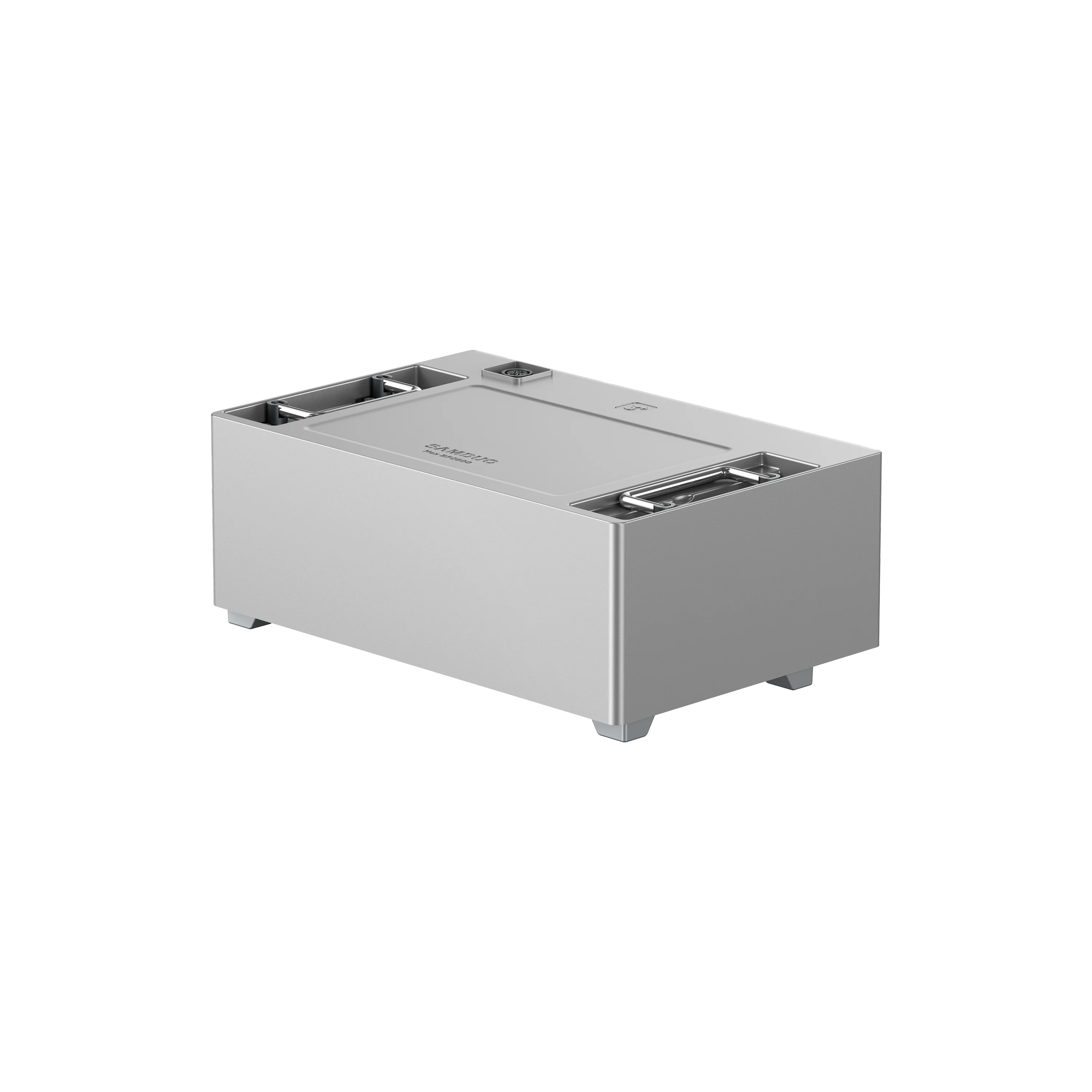
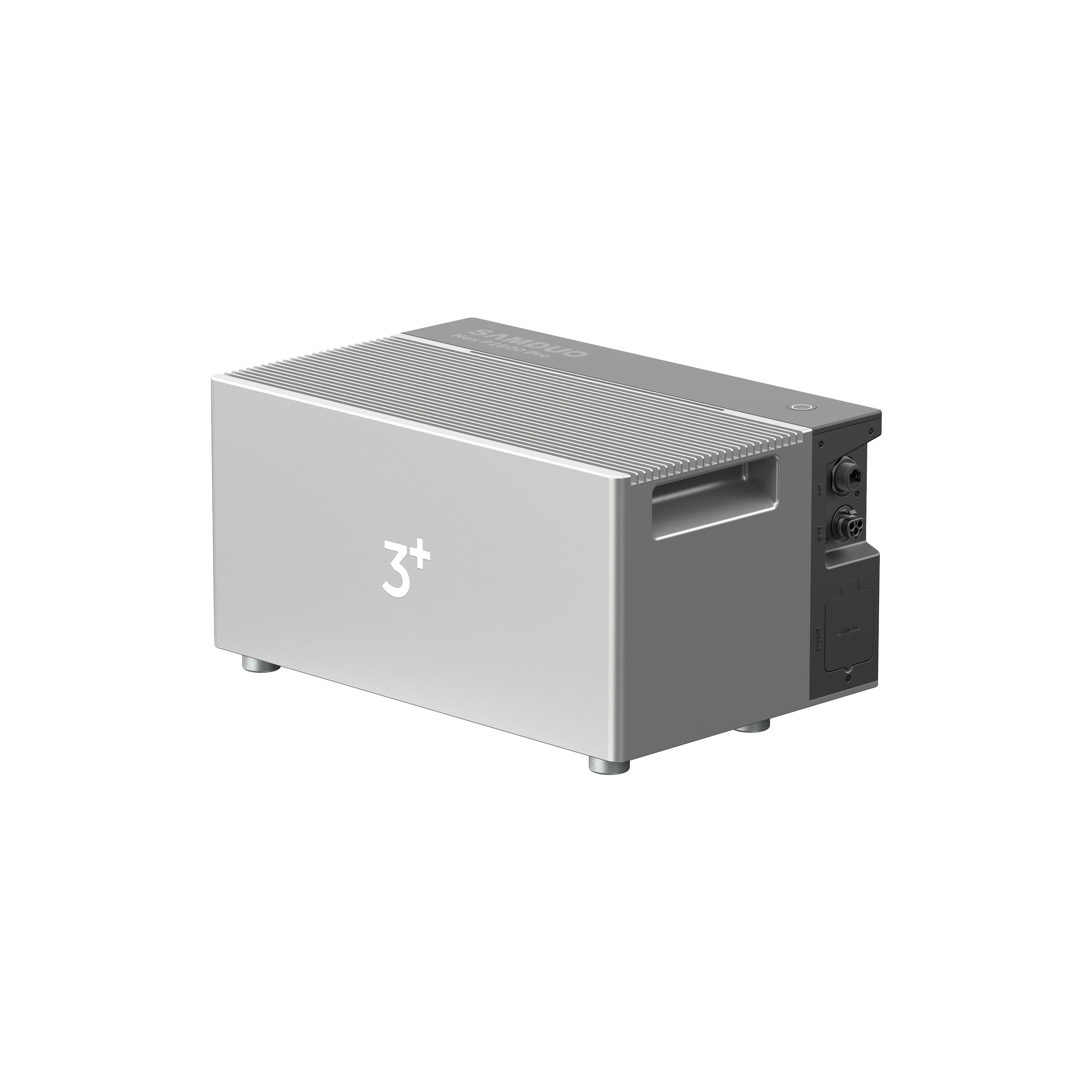
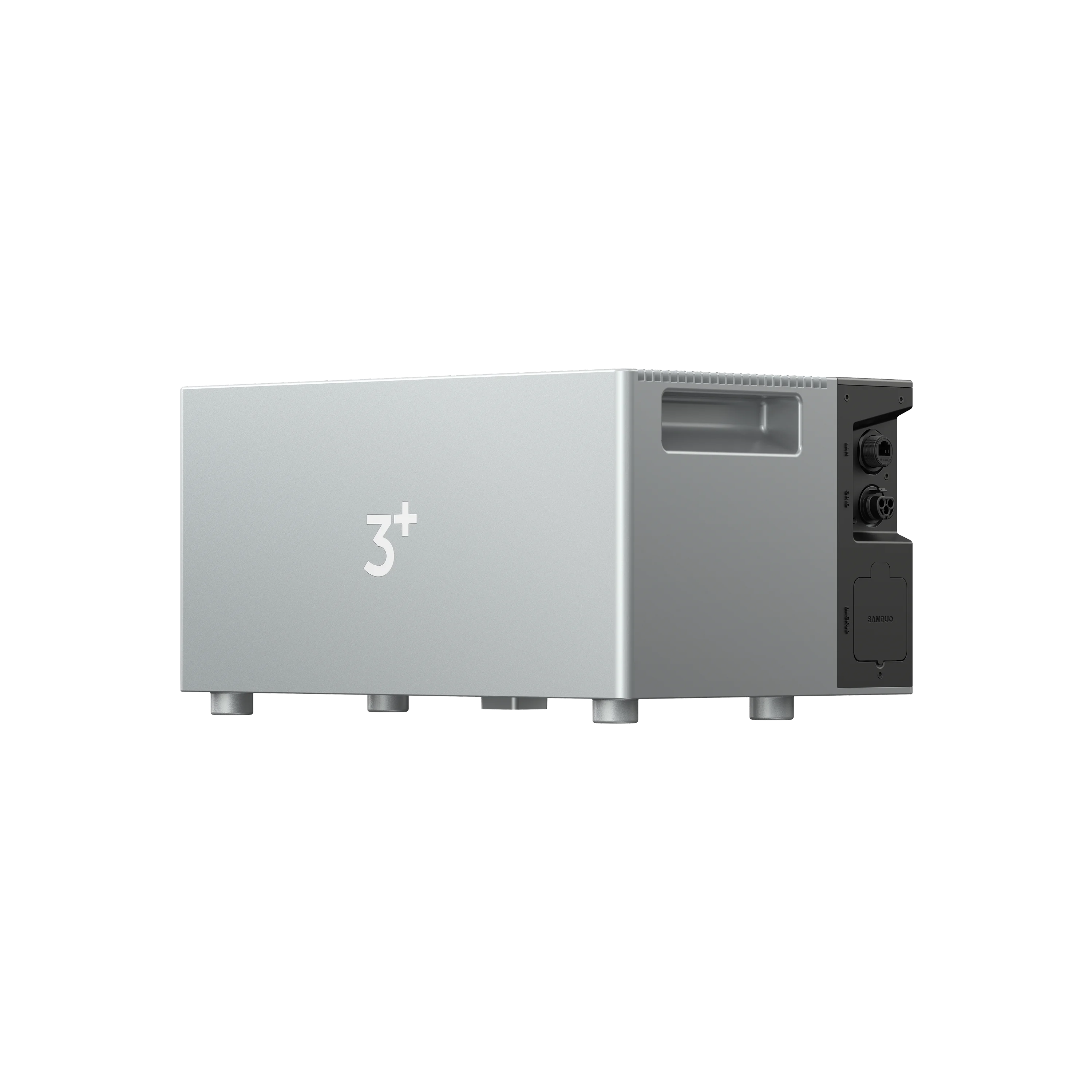
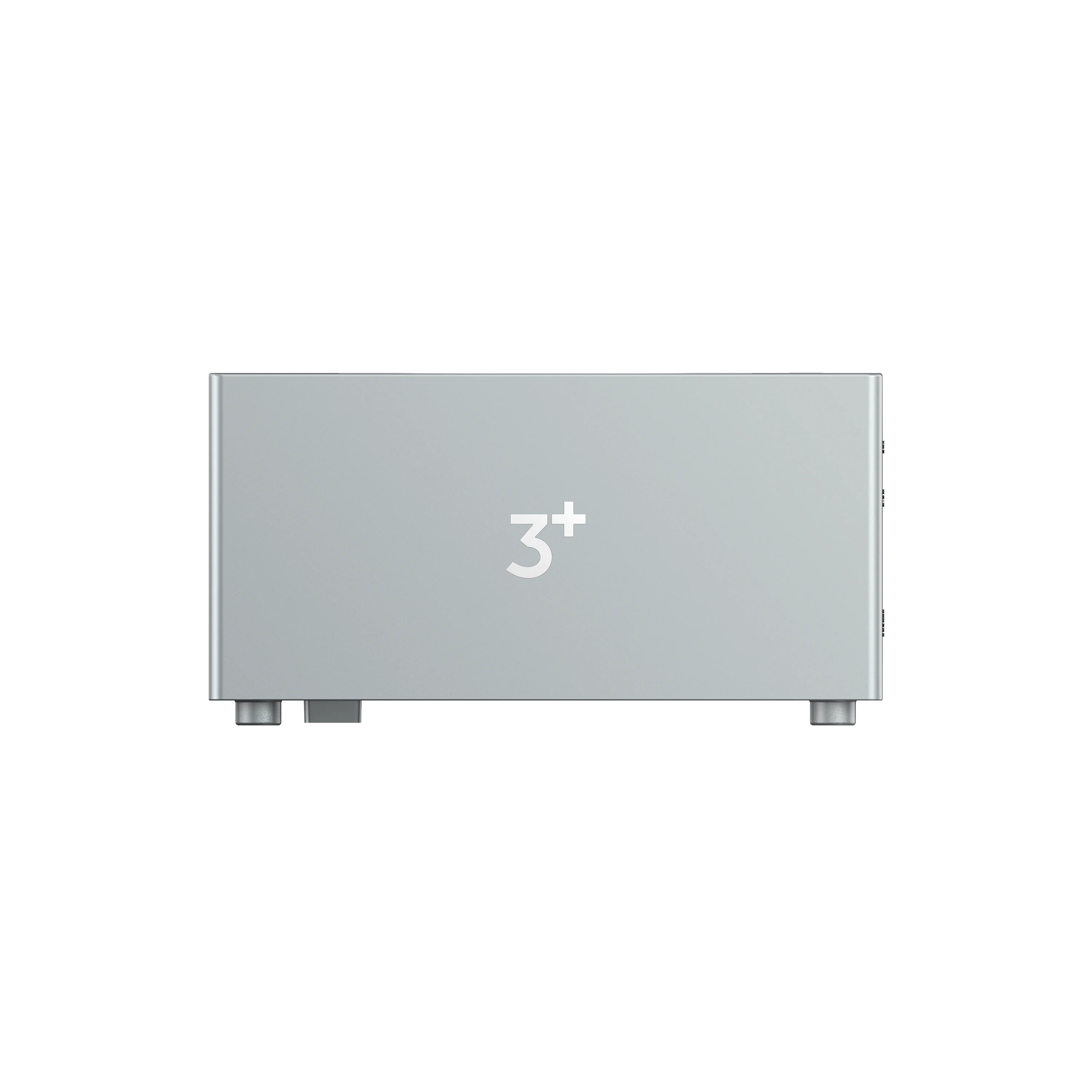
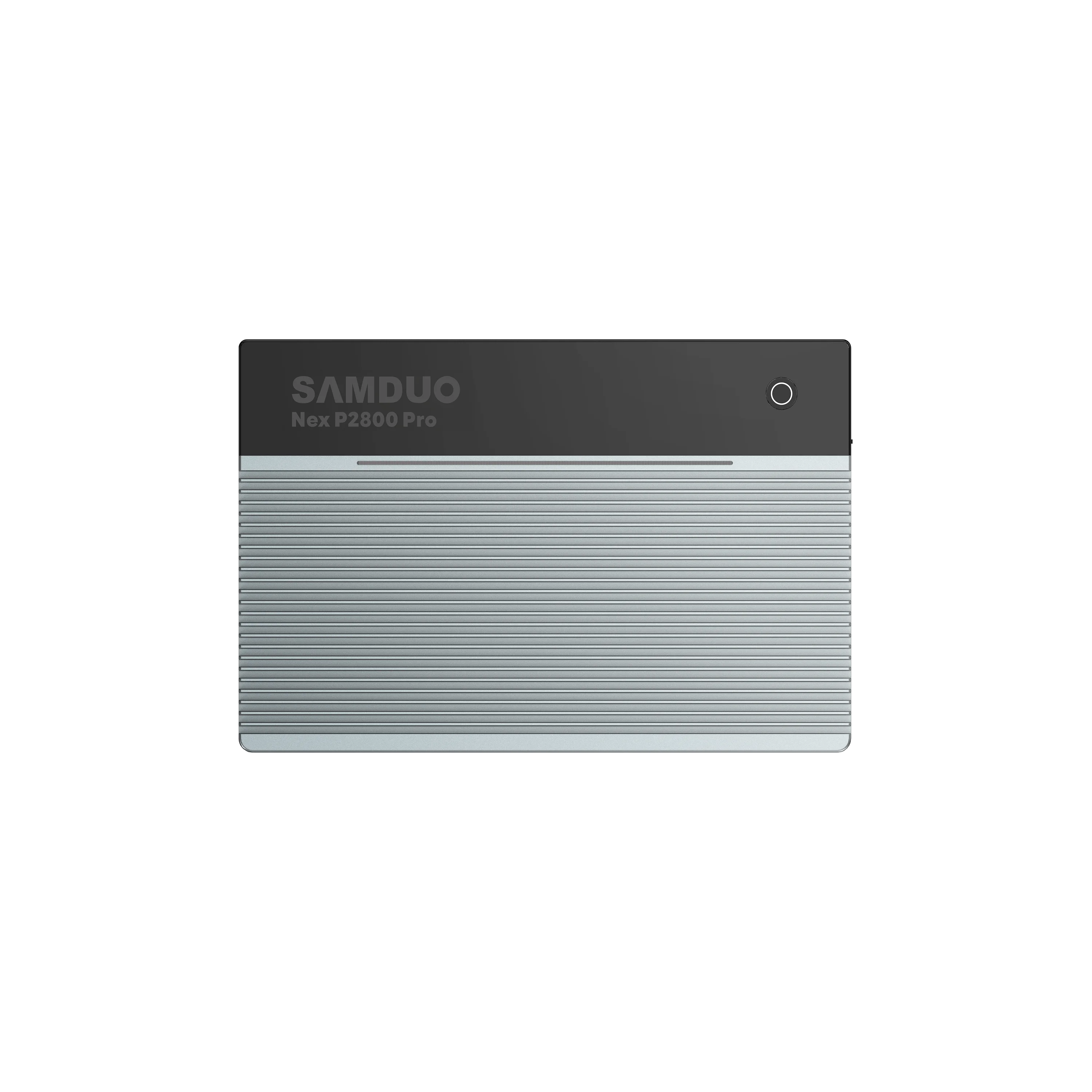
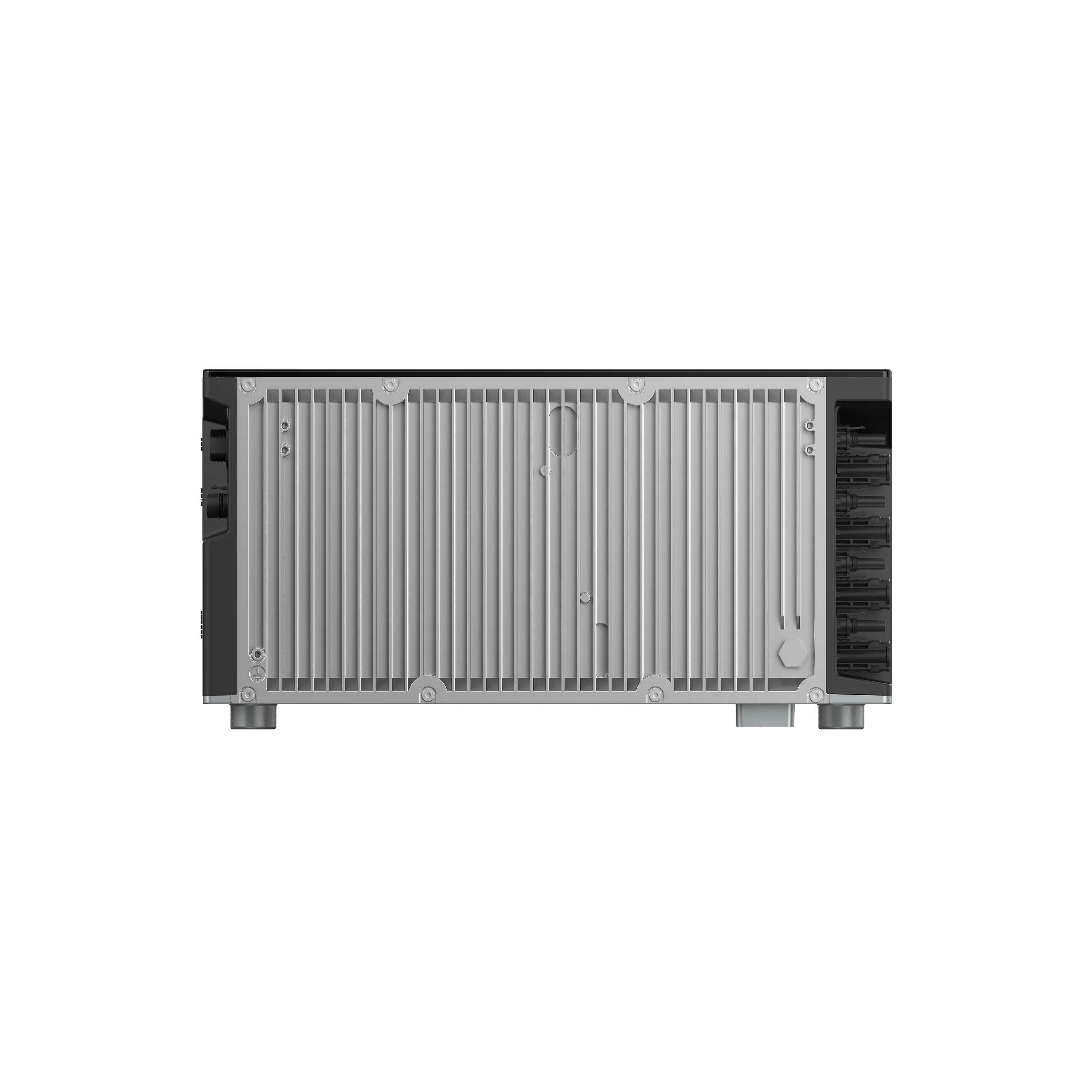
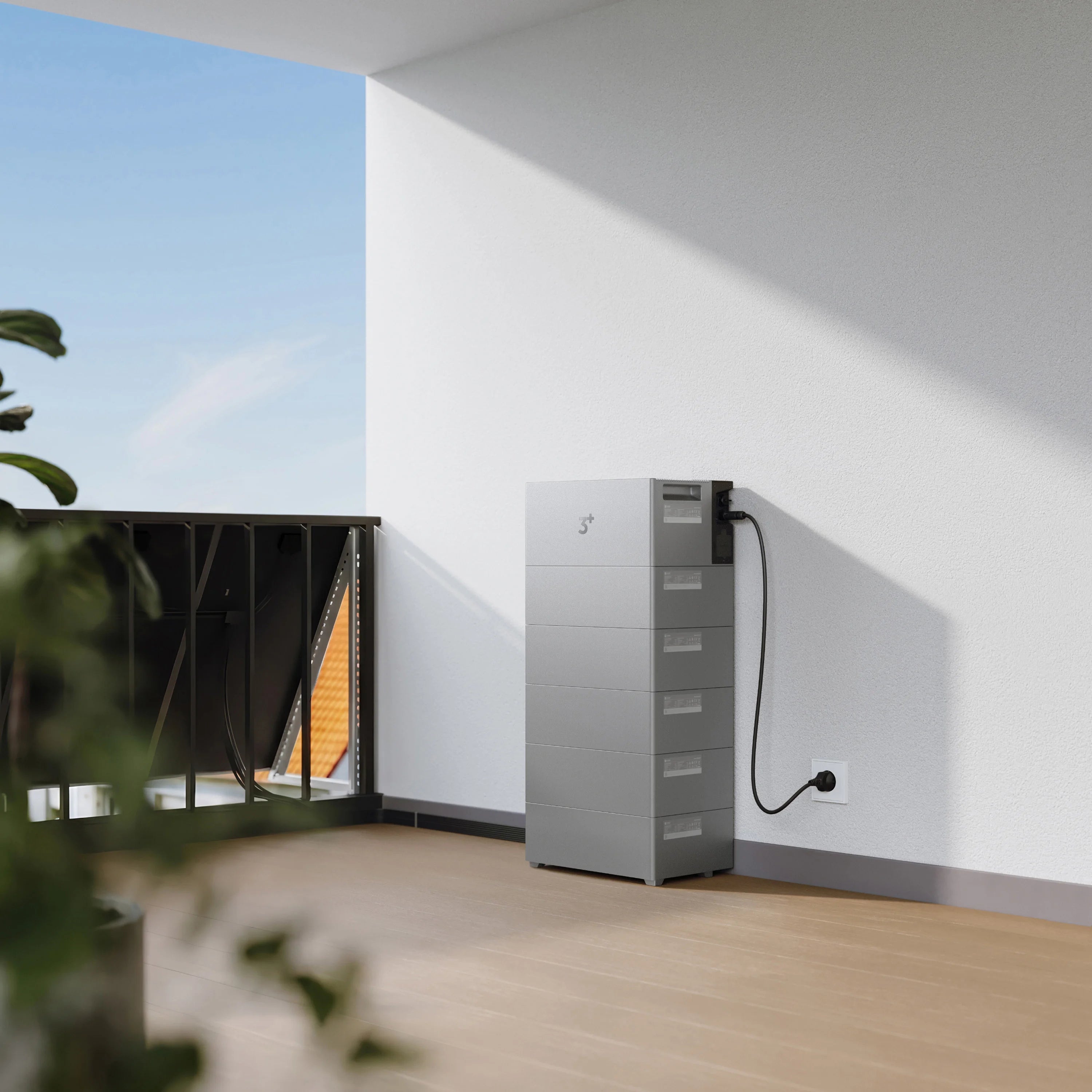
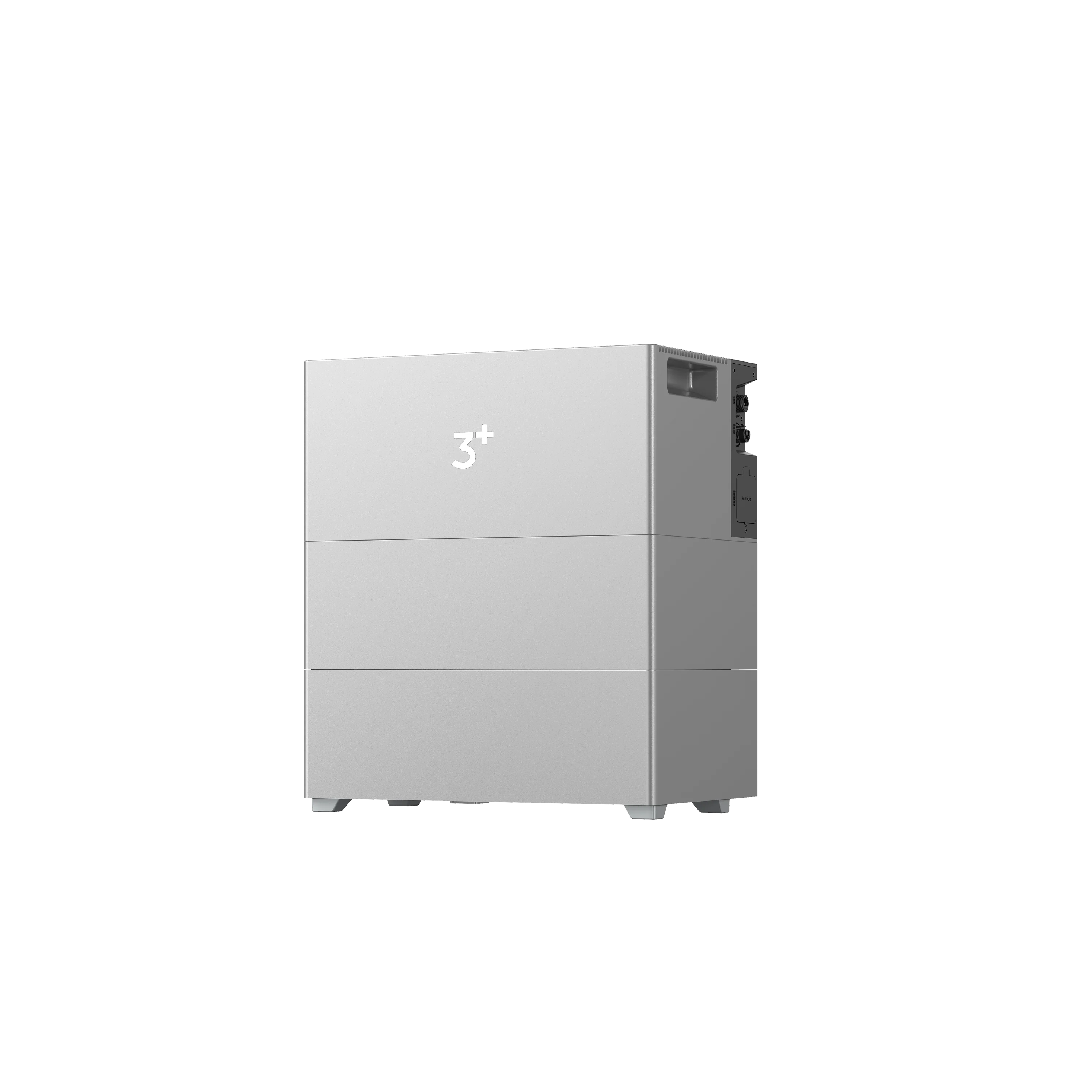
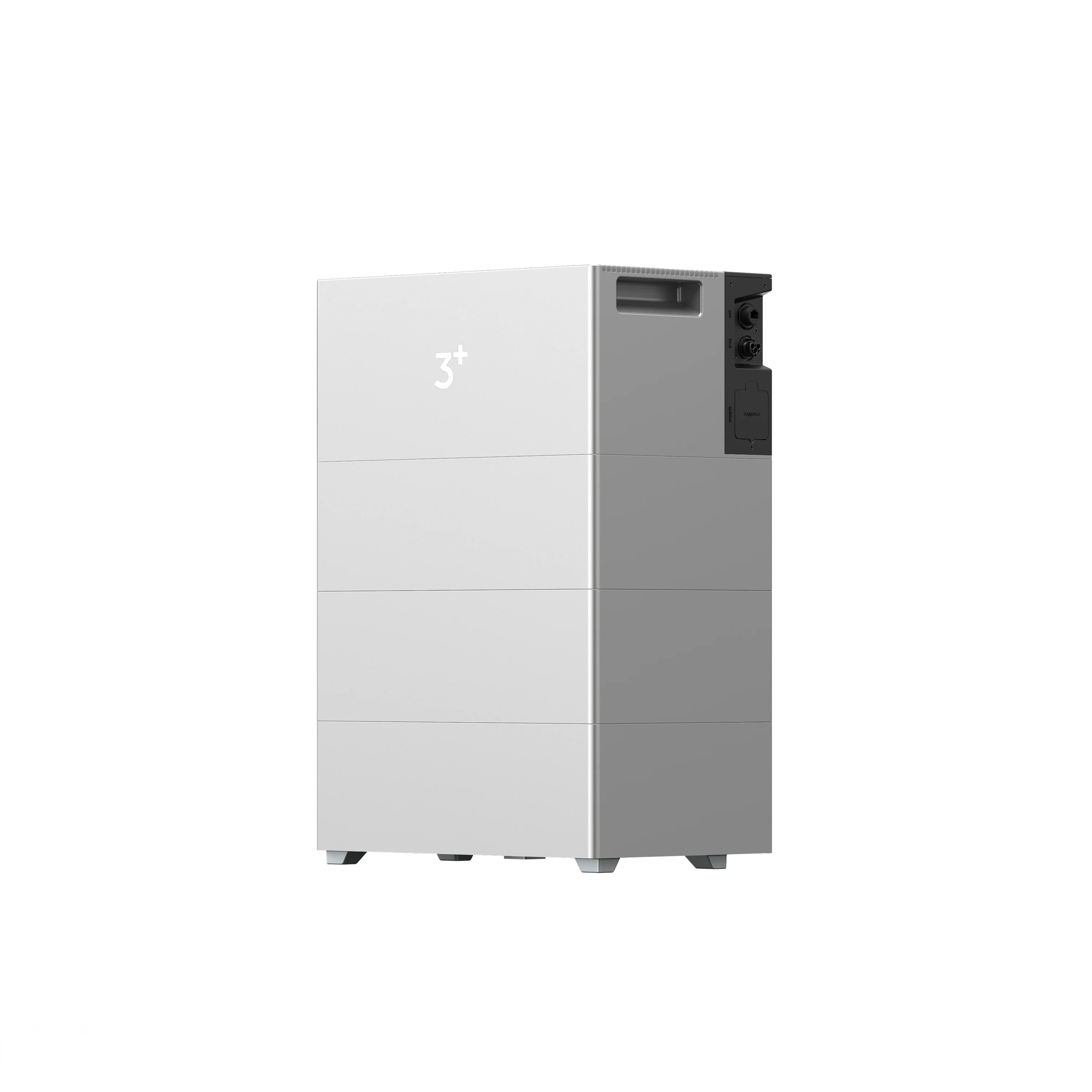
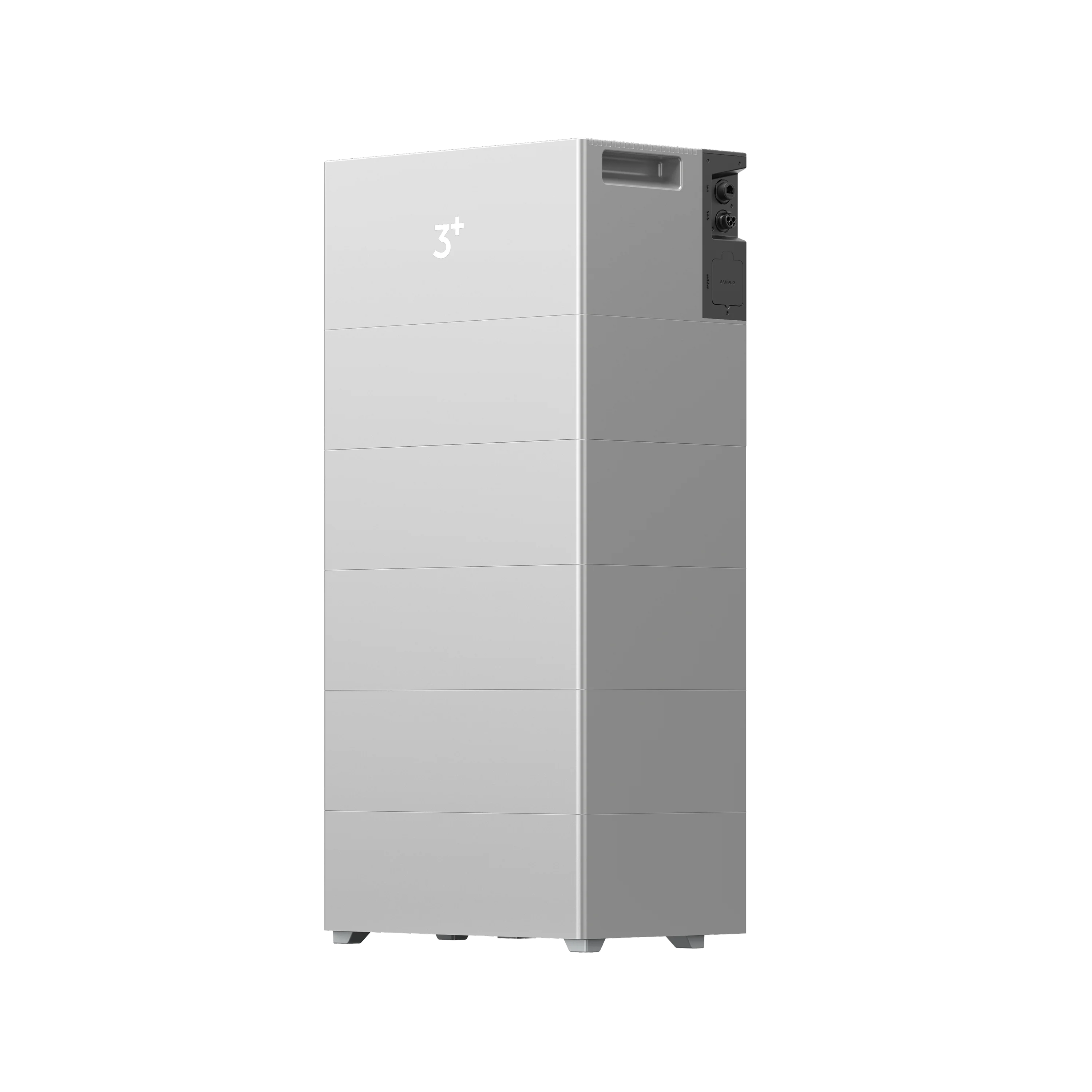
SAMDUO Nex P2800 Pro
Frequently Bought Together
Services & Benefits
10-Year Warranty
Privacy by Design
Real-Time Local Support
3-7 Day Delivery
30-Day Money-Back Guarantee


Power Every German Home
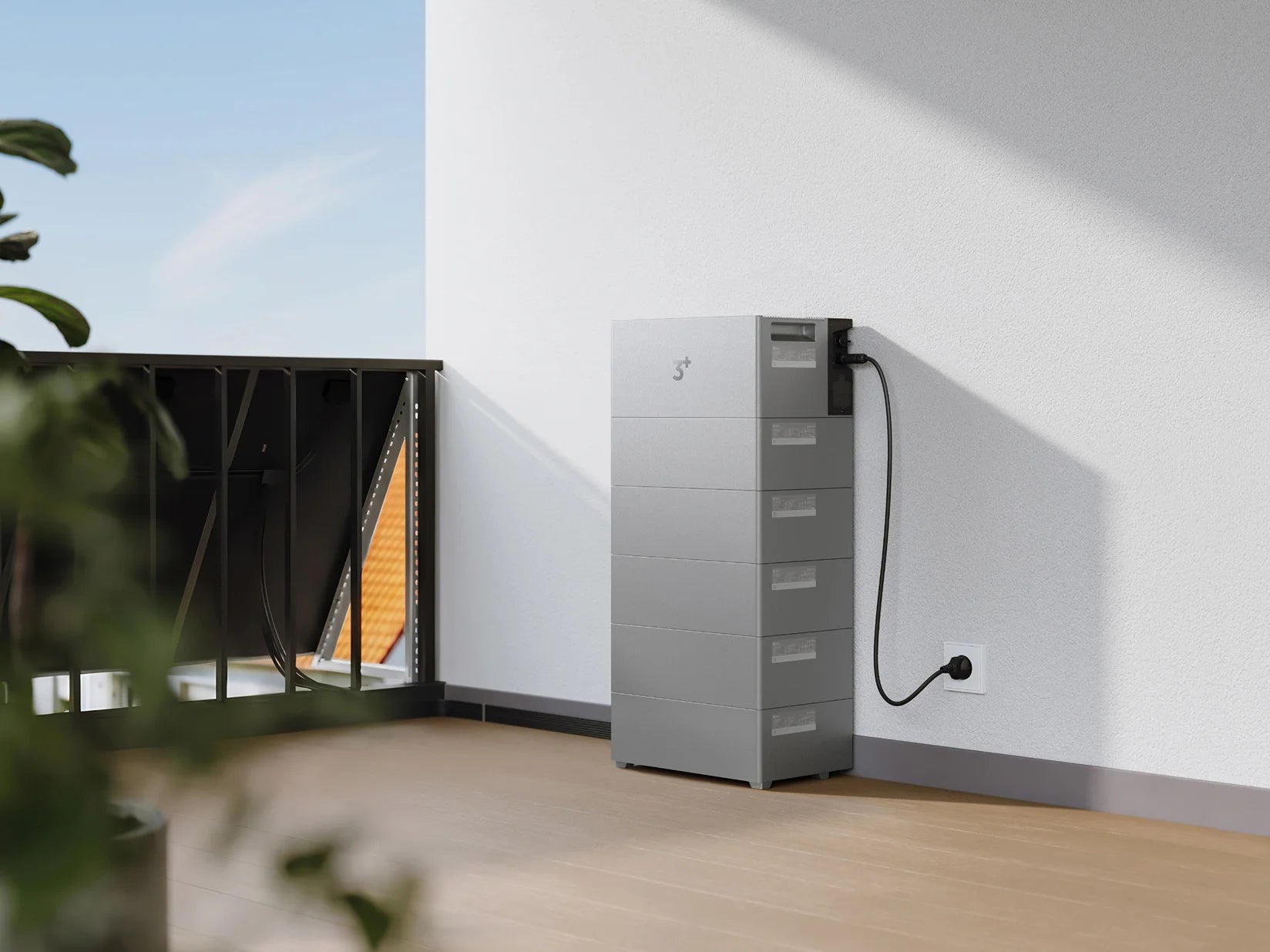

Compact Apartment Solutions
Annual Consumption: 3000kWh Solar Panels: 2 kW
Annual Generation: 2,200 kWh Annual Savings: €833
Energy Storage System: 1×Nex P2800 Pro (2.736 kWh) + 1×BP2800 (total 5.472 kWh)


Post-EEG: P2800 Pro Is
Your Best Choice
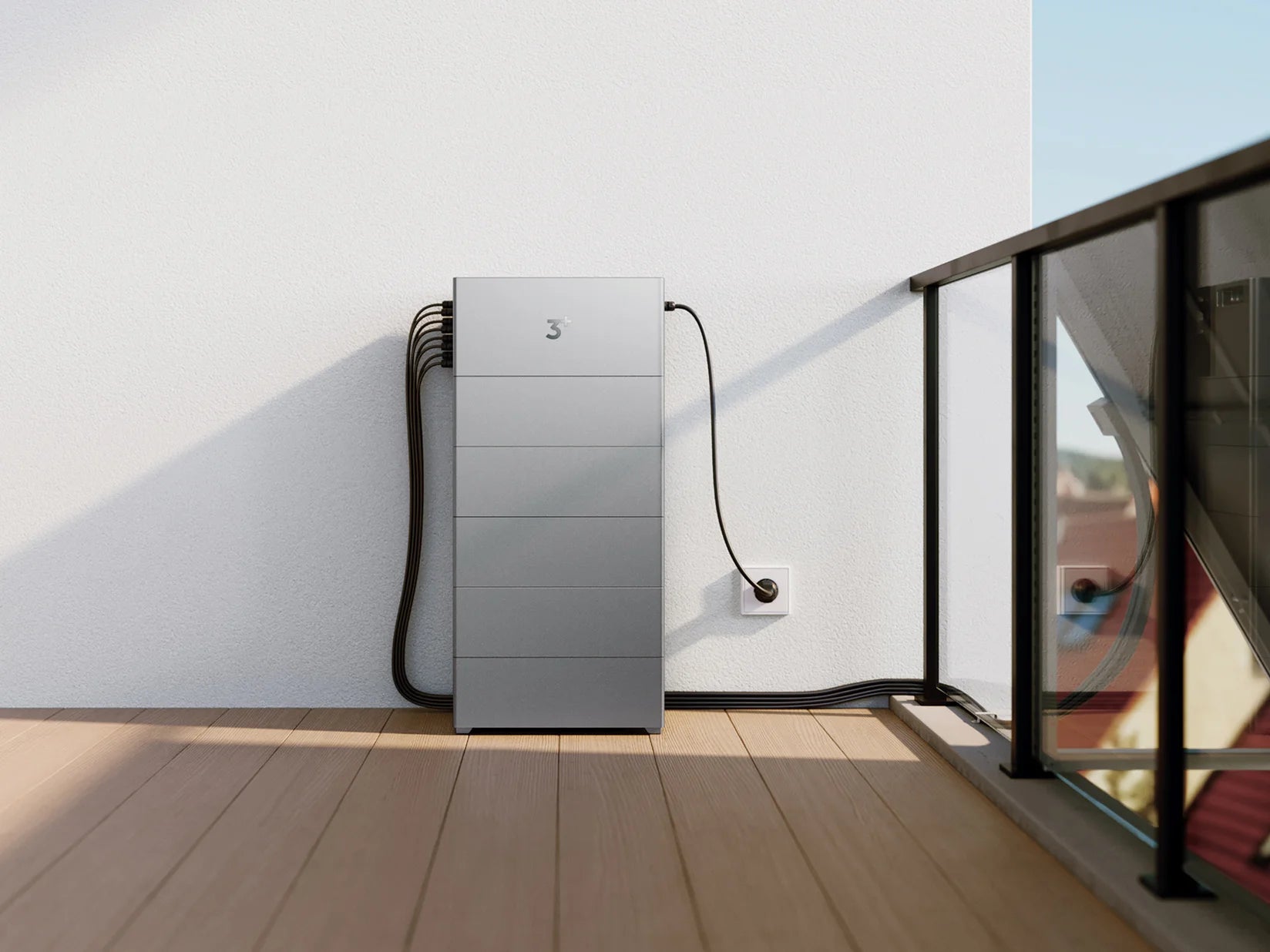

Maximize Every Ray. 100% Self-Consumption.
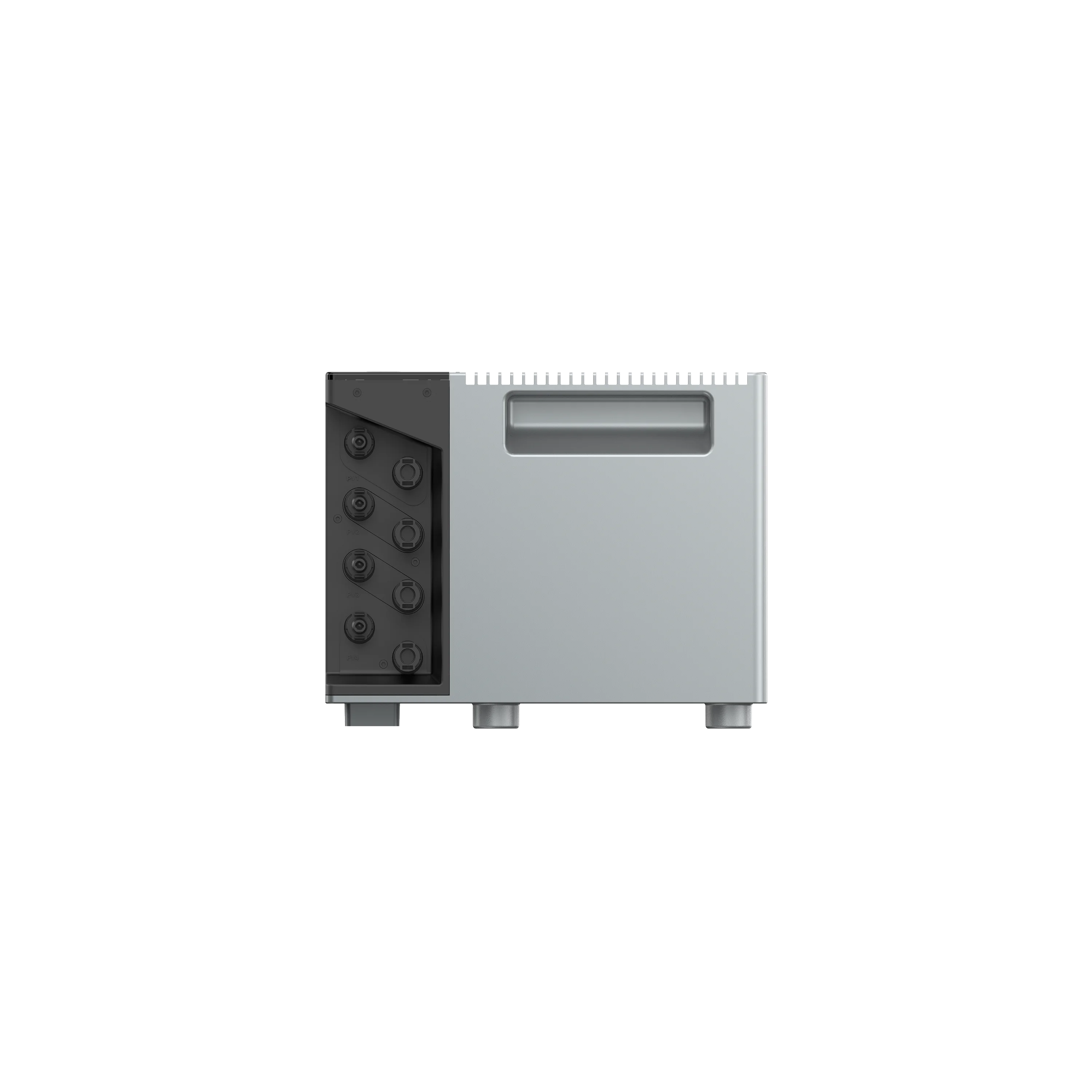
As the EEG feed-in model shifts, choose P2800 Pro for 3600W PV input with 4 MPPTs. Connecting up to 8 solar panels, it can generate up to 3960kWh per year under German weather conditions. Independent MPPT keeps less sunlight goes to waste.


2400W Pure Output.
Intelligent Control.
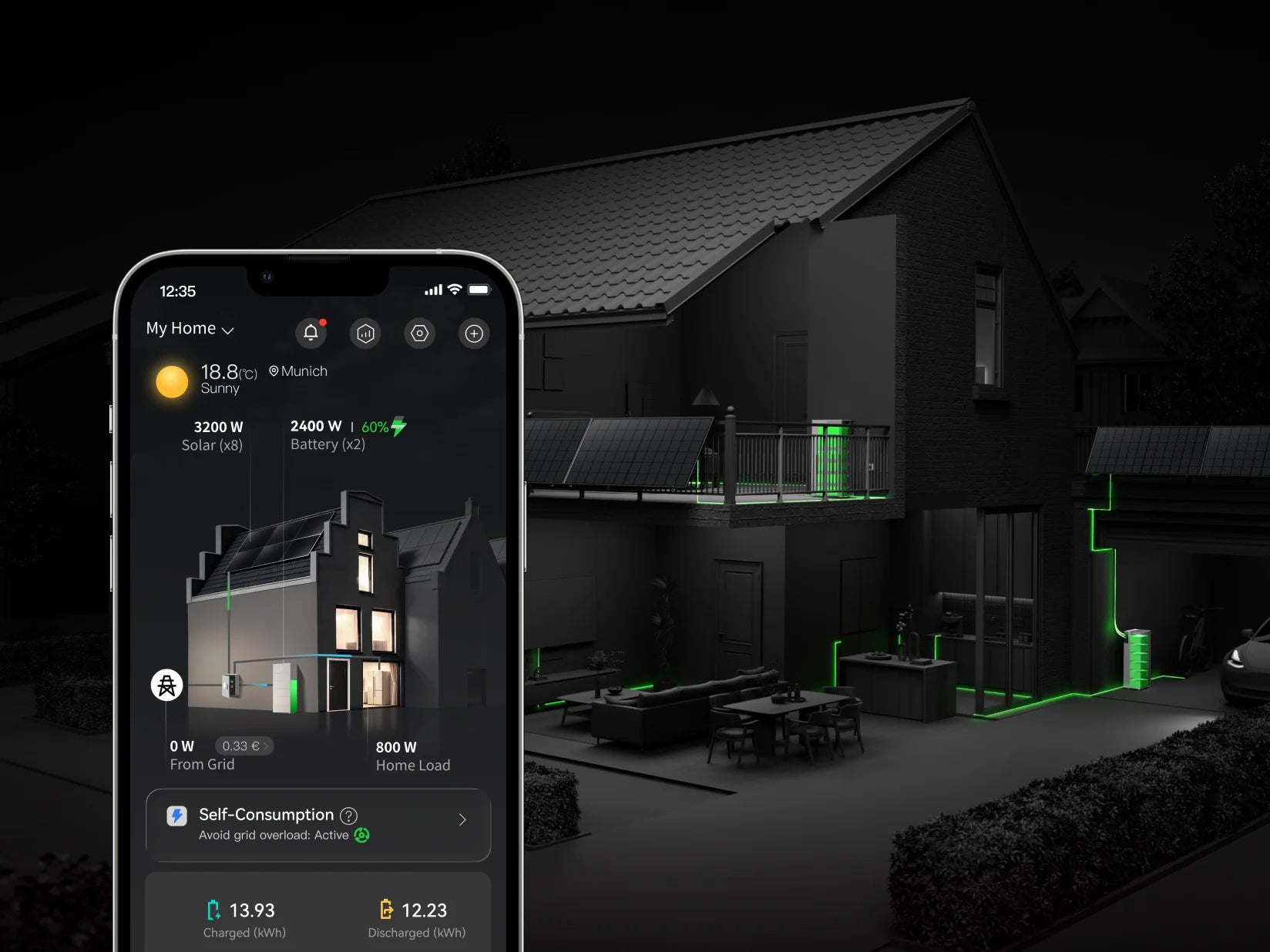

2400W Bidirectional, 800W Output Power
The bidirectional inverter allows quick transition under 10ms to support 2400W AC input. With the 800W on-grid output, it can be integrated into the German household immediately.


Plug-and-Play:
Easy Installation
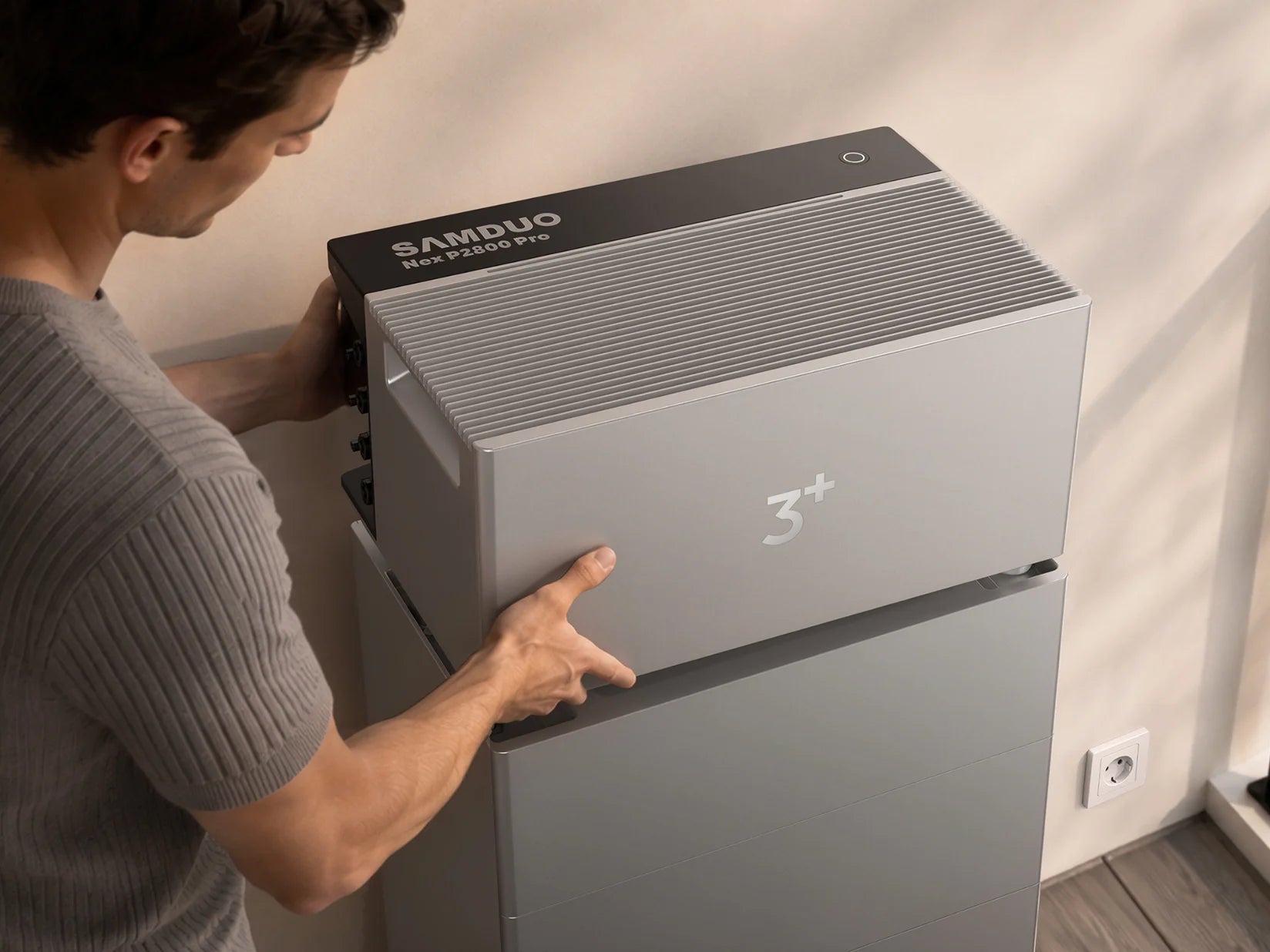

Plug-and-Play:
Easy Installation
No complicated setup, no waiting around. Just plug in and power up.


What's in the Box

SAMDUO Nex P2800 Pro

Mounting Kit

Cable

Quick Start Guide

Safety Info

warranty card

Wrench
Downloads

FAQs
Q: What is the maximum charging and discharging power?
A: The maximum charging power is 1200W. The maximum on-grid discharging power is 800W, in complance with plug-and-play regulatory limits.
Q: What is the maximum PV input power?
A: The Nex P2800 series supports max 3600W PV input power.
Q: Does this home energy storage system provide emergency or backup power?
A: Yes. The system provides 1200 VA of off-grid backup power, allowing it to run essential appliances during a power outage.
Q: Can we use it to trade in the electricity imbalance market?
A: Yes. The system can be used for related energy trading and grid dispatch applications.
Q: Does the system connect to other photovoltaic (PV) systems?
A: If solar panels are installed without an inverter, the Nex P series may be a great choice. Compatibility, however, depends on the panel specifications, which must meet the required input parameters: 12–60 V input voltage and up to 32 A per channel (four channels total).
Q: What is the maximum charging power of the PV ports?
A: The Nex P series has 4 PV input channels, each supporting a maximum of 900 W, with a total maximum charging power of 3600 W.
Q: Can the system automatically optimize operation based on electricity prices and user habits?
A: Yes. This capability will be supported through future updates.
Q: How is data privacy handled?
A: The system is designed to protect user data and privacy in compliance with the GDPR (General Data Protection Regulation).
Q: Does the smart meter require professional installation?
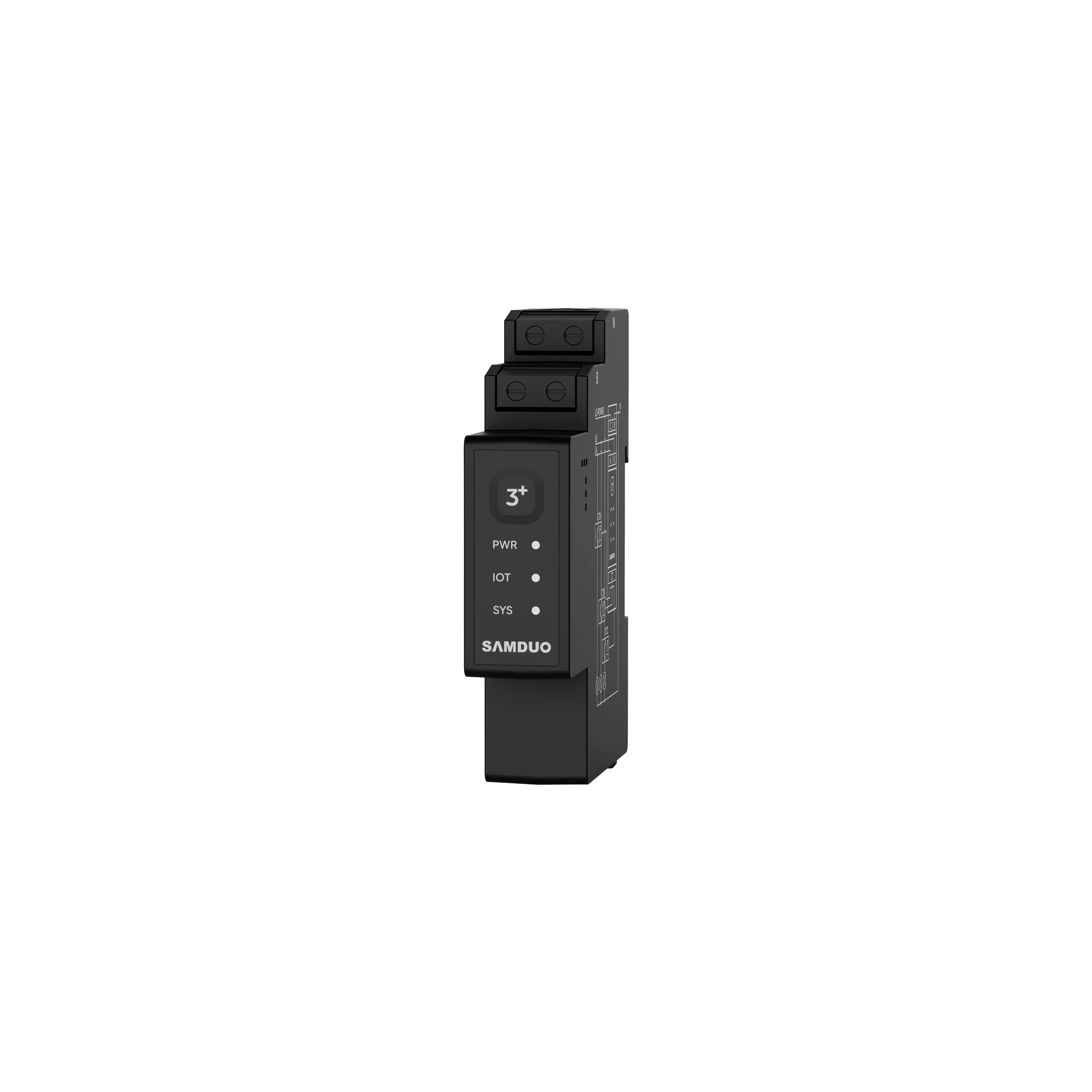
A: It is recommended that the smart meter be installed by an experienced technician or an authorized installer to ensure proper setup and safe operation.
Recommendations